
What is Natural Wine?
Natural wines are much more than a recent trend; they are a return to the origins of wine. Imagine how ancient Egyptians, Sumerians, or Greeks made wine: without chemical additives or industrial machinery, only with simple methods like fermentation in clay amphorae. That is, in essence, a natural wine: a wine that respects the purity of the grape and the land from which it comes.
In the 20th century, some pioneers like Jules Chauvet, Max l'Eglise, and Marcel Lapierre in France decided to revive these traditional winemaking methods, seeking wines that authentically reflected the terroir and the essence of the grape. In Spain, the trend quickly arrived, and today natural wines are gaining a special place in high-end restaurants and specialized shops. But what makes a natural wine so special compared to a traditional wine?

What is the Difference Between Natural Wines and Traditional Wines?
The main difference between a natural wine and a traditional one lies in the production process. Traditional wines are produced with conventional techniques that involve significant intervention from the winemaker: use of sulfites as preservatives, commercial yeasts, fining agents, and stabilizers. These practices ensure a consistent taste and longer shelf life for the wine. If you like a specific wine and want it to always taste the same, this approach is ideal.
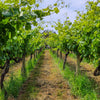
However, if you are looking for a more authentic experience, natural wines offer something different. These wines are made with minimal intervention both in the vineyard and in the winery. Here, no pesticides, synthetic fertilizers, or artificial chemicals are used. In the winery, work is done only with native yeasts, that is, those naturally present in the grape and in the environment. This means that the wines are not filtered or fined, maintaining sediment and a much more vibrant and authentic flavor profile.
Thus, each bottle of natural wine is unique, purely expressing the characteristics of the terroir: the climate, the soil, and the grape variety. If you want to try a wine that truly tells a story with every sip, natural wine is your choice.
Why Are Natural Wines Increasingly Popular?
Today, many people like you are looking for more sustainable and authentic options, not only in food but also in beverages. Natural wines align with these values. They are not only more environmentally friendly but also offer a unique sensory experience.
Unlike traditional wines, which tend to have a more uniform and predictable taste, natural wines can surprise you with a more pronounced acidity, more vibrant flavors, and, in some cases, a slight effervescence due to spontaneous fermentation. Their appearance may be a bit cloudier, but this turbidity adds richness and texture, offering an experience that many consider more complex and rewarding.
In addition, natural wines are grown using organic or biodynamic agricultural practices, promoting biodiversity and minimizing environmental impact. Although some traditional wine producers are also adopting sustainable practices, natural wines usually have a deeper commitment to ecosystem conservation.

Discover Natural Wines at Vinnatura
If after all this you are curious to try natural wines, at Vinnatura we have a special selection designed for you, with an emphasis on Galician wines that respect both the terroir and the environment.
Among our options, we recommend the winery Nanclares y Prieto , which focuses on letting nature express itself in its wines through biodynamic practices, such as the use of seaweed to improve vineyard health and promote ecological balance. In the winery, located in Rias Baixas, intervention is kept to a minimum to allow each plot to reflect its unique characteristics, thus preserving the authenticity and natural character of its wines. This philosophy of minimal intervention seeks to capture the essence of the Galician terroir in every bottle.
Another outstanding option is Roico, macerated with skins of Adega do Vimbio, also known as orange wine. This wine offers a distinctive amber color, soft tannins, and aromatic complexity, with hints of dried fruit, honey, and flowers. It is a sensory experience you won't want to miss from this Galician winery.
If you prefer something different, try O Acordo our Rosado white wine, Caiño Tinto and Sousón, a different blend that combines freshness and complexity, with notes of fresh red fruits and a mineral touch. Each glass is a journey to the landscapes of Galicia.
Ready to explore more? Discover all our wines and find the one that best suits your tastes. Each of them tells a story of the terroir and the winemaker who created it.

Dare to Try Something New
Now that you know more about what makes natural wines unique, why not venture to discover them for yourself? At Vinnatura, we want to help you find that wine that speaks directly to your senses and your ecological conscience. Explore our online store, let your curiosity guide you, and find the perfect wine for your next celebration or special dinner.
Cheers!
Comments
-
Un post excelente, bien hecho
-

Regalos gourmet gallegos para empresas
Descubre cómo elegir regalos gourmet gallegos para clientes, equipos y colaboradores. Packs personalizados, opciones veganas e inclusivas.
-

Vegan Gourmet Gifts with Galician Identity
Vegan gourmet gift ideas with Galician identity: plant-based, carefully crafted, and inclusive options for tasteful gifting. From Alga as an access...
-

Northern Bluefin Tuna and Canned Tuna
Discover the difference between Northern Bonito and Tuna in olive oil. The first, soft and delicate; the second, intense and versatile. Galician ca...


